> ## Documentation Index
> Fetch the complete documentation index at: https://docs.bentowise.com/llms.txt
> Use this file to discover all available pages before exploring further.
# The Bentowise Way
> Learn the core principles behind collecting, arranging, thinking, and reviewing in Bentowise.
Bentowise follows a simple workflow:
**Collect → Arrange → Think → Review**
It is not a rigid methodology. It is a way to help complex information gradually become clearer.
## Collect
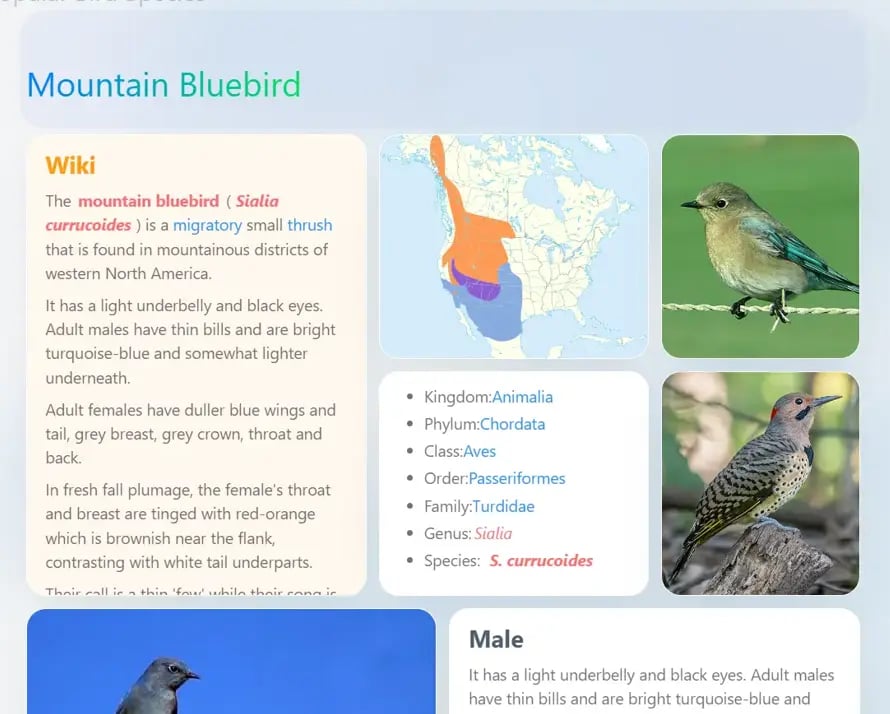
Start by bringing the important material together.
It might be notes, webpages, images, files, screenshots, or simply an idea that has not been fully developed yet.
You can also **drag text, images, or links directly from the web into a board**, making collection a natural part of the research process instead of a separate save-first, organize-later workflow.
At this stage, you do not need to classify everything or design the perfect structure.
**Just bring what matters to the question into the same board.**
 ## Arrange
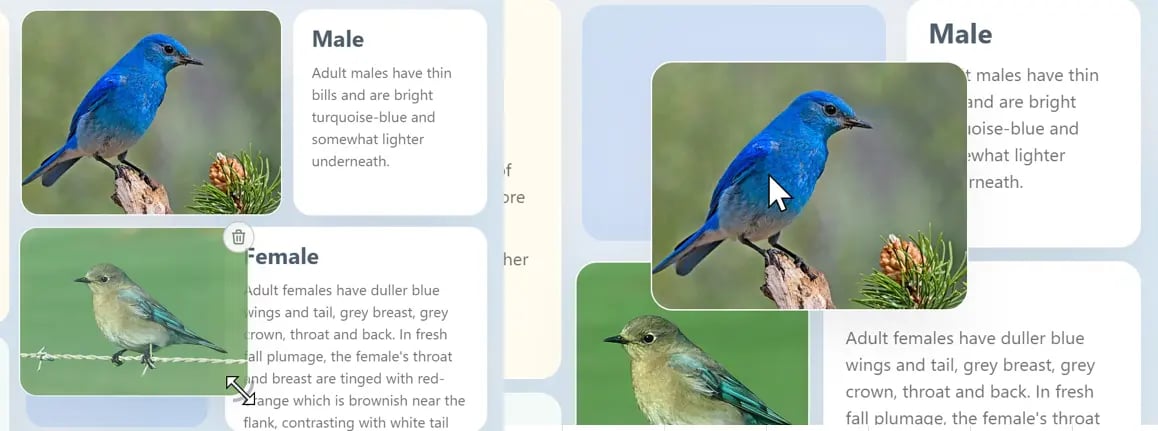
Once the material begins to accumulate, rearrange it.
Place related items together. Put competing ideas side by side. Keep evidence close to the judgment it supports.
In Bentowise, position, size, and grouping are not only about layout. They can also express relationships between information.
The structure does not need to be designed in advance.
Often, **the structure emerges as you work with the material.**
## Arrange
Once the material begins to accumulate, rearrange it.
Place related items together. Put competing ideas side by side. Keep evidence close to the judgment it supports.
In Bentowise, position, size, and grouping are not only about layout. They can also express relationships between information.
The structure does not need to be designed in advance.
Often, **the structure emerges as you work with the material.**
 ## Think
When the relevant material can be seen together, it becomes easier to think across it.
You may start to notice:
* which evidence points toward the same conclusion
* where different viewpoints conflict
* which areas still lack information
* what actually matters most to the question
At this point, the board is no longer just a collection of material. It begins to capture your judgment.
## Review — or Present
Finally, step back and look at the board as a whole.
Instead of focusing on a single note, ask whether the entire board makes sense:
Is the important information visible enough?
Does the evidence support the judgment?
Are there obvious gaps or contradictions?
Review does not have to be only for yourself.
Bentowise can also turn the cards on a board — or a selected subset of them — into a simple slideshow.
This means the same board can be used to:
* explain your research to someone else
* present an analysis or proposal
* review material together with a team
* give a lightweight lesson or walkthrough
**Think with the board first, then use the same board to explain clearly.**
## Build Your Own Structure
Bentowise does not expect everyone to think in the same framework.
The built-in templates provide examples of common research and analysis structures, but they are best treated as **references and starting points**, not as standard answers.
Over time, you will discover which structures work best for your own way of thinking.
We recommend saving the board structures that prove useful as your own templates, then reusing them the next time you face a similar problem.
Because the most valuable template is often not someone else's idea of best practice. It is:
**A structure you already know works for the way you think.**
Bentowise is not about creating a beautiful board, and it does not require you to follow a fixed method.
**Let structure emerge from understanding, then keep the structures that work.**
## Think
When the relevant material can be seen together, it becomes easier to think across it.
You may start to notice:
* which evidence points toward the same conclusion
* where different viewpoints conflict
* which areas still lack information
* what actually matters most to the question
At this point, the board is no longer just a collection of material. It begins to capture your judgment.
## Review — or Present
Finally, step back and look at the board as a whole.
Instead of focusing on a single note, ask whether the entire board makes sense:
Is the important information visible enough?
Does the evidence support the judgment?
Are there obvious gaps or contradictions?
Review does not have to be only for yourself.
Bentowise can also turn the cards on a board — or a selected subset of them — into a simple slideshow.
This means the same board can be used to:
* explain your research to someone else
* present an analysis or proposal
* review material together with a team
* give a lightweight lesson or walkthrough
**Think with the board first, then use the same board to explain clearly.**
## Build Your Own Structure
Bentowise does not expect everyone to think in the same framework.
The built-in templates provide examples of common research and analysis structures, but they are best treated as **references and starting points**, not as standard answers.
Over time, you will discover which structures work best for your own way of thinking.
We recommend saving the board structures that prove useful as your own templates, then reusing them the next time you face a similar problem.
Because the most valuable template is often not someone else's idea of best practice. It is:
**A structure you already know works for the way you think.**
Bentowise is not about creating a beautiful board, and it does not require you to follow a fixed method.
**Let structure emerge from understanding, then keep the structures that work.**